
In today’s world, being mindful of the environment extends to every aspect of our lives, including how we clean our homes. Traditional cleaning products often contain harsh chemicals that can be harmful to both the environment and our health. Switching to eco-friendly cleaning products is a sustainable choice that keeps your home safe, clean, and green. In this guide, we’ll explore everything you need to know about eco-friendly cleaning products, including their benefits, key ingredients, and tips for using them effectively.
1. Why Choose Eco-Friendly Cleaning Products?
Eco-friendly cleaning products offer several advantages over conventional cleaners:
- Health Benefits: Many traditional cleaners contain toxic chemicals like ammonia, chlorine, and synthetic fragrances that can irritate the skin, eyes, and respiratory system. Eco-friendly alternatives are made with natural ingredients that are safer for you and your family.
- Environmental Impact: Harsh chemicals from conventional cleaning products can pollute water systems and harm wildlife. Eco-friendly products are biodegradable and made from renewable resources, reducing your ecological footprint.
- Effectiveness: Modern eco-friendly products are just as effective as traditional cleaners, tackling dirt, grease, and germs without compromising safety.
By choosing green cleaning products, you create a healthier home and contribute to a cleaner planet.
2. Key Ingredients in Eco-Friendly Cleaners
Understanding the ingredients in eco-friendly cleaners can help you make informed choices. Common natural ingredients include:
- Vinegar: Excellent for removing grease, disinfecting surfaces, and dissolving mineral deposits.
- Baking Soda: Perfect for scrubbing, deodorizing, and removing stains.
- Lemon Juice: Naturally antibacterial and effective at cutting through grime while leaving a fresh scent.
- Plant-Based Surfactants: Derived from coconut or corn, these clean without harsh chemicals.
- Essential Oils: Provide natural fragrance and some antimicrobial properties.
Look for products labeled biodegradable, non-toxic, and phosphate-free for the most eco-friendly options.
3. Popular Eco-Friendly Cleaning Products
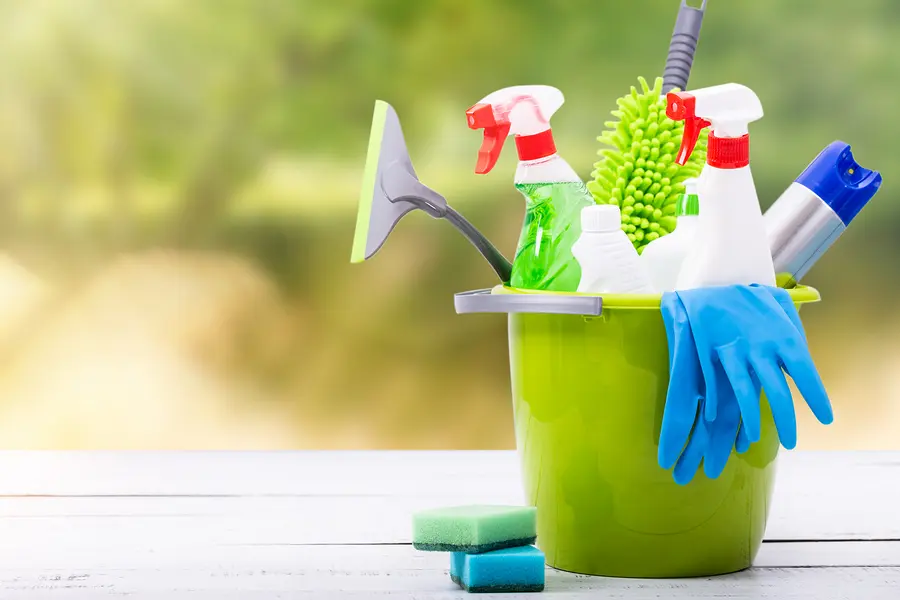
Here’s a list of effective eco-friendly products for different areas of your home:
- All-Purpose Cleaner: Vinegar and water solution or plant-based sprays for counters, shelves, and tables.
- Bathroom Cleaner: Baking soda and castile soap mixture to clean sinks, tubs, and tiles.
- Glass Cleaner: Diluted vinegar with water for streak-free mirrors and windows.
- Floor Cleaner: Plant-based floor soaps or diluted essential oil solutions for mopping.
- Laundry Detergent: Eco-certified powders or liquids without phosphates or synthetic fragrances.
4. DIY Eco-Friendly Cleaning Solutions
If you prefer making your own cleaners, here are some simple recipes:
- All-Purpose Spray: Mix 1 cup of water, 1 cup of vinegar, and 10 drops of tea tree or lemon essential oil in a spray bottle.
- Scrubbing Paste: Combine ½ cup baking soda with a few drops of castile soap for tough stains on sinks or countertops.
- Glass Cleaner: Mix 1 cup water, 1 cup vinegar, and 1 teaspoon cornstarch for sparkling windows.
- Floor Cleaner: Mix ¼ cup vinegar with 1 gallon of warm water; add a few drops of lavender essential oil for scent.
DIY solutions are inexpensive, effective, and reduce packaging waste.
5. Tips for Using Eco-Friendly Products Effectively
To get the most out of eco-friendly cleaning products:
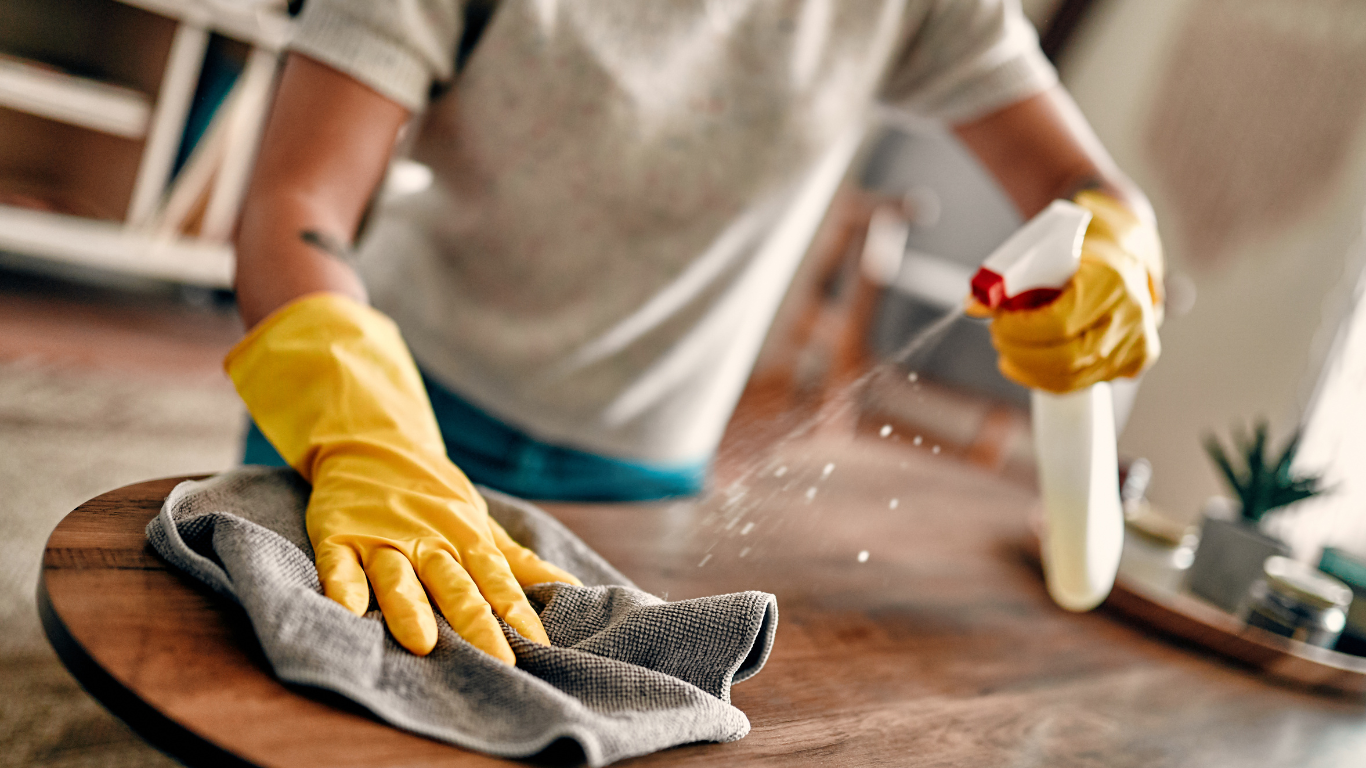
- Use the Right Tool: Pair natural cleaners with microfiber cloths or soft brushes for maximum efficiency.
- Targeted Cleaning: Focus on high-traffic areas like kitchens and bathrooms to prevent dirt buildup.
- Routine Cleaning: Incorporate daily or weekly cleaning habits to maintain a spotless, healthy home.
- Read Labels: Some products labeled as “green” may still contain questionable chemicals—check for certification logos from recognized eco-friendly organizations.
6. Eco-Friendly Cleaning and Sustainability
Beyond the products themselves, you can adopt additional eco-friendly habits:
- Refillable Containers: Reduce plastic waste by using refill stations or bulk products.
- Minimal Packaging: Choose products with recyclable or compostable packaging.
- Water Conservation: Use only the necessary amount of water for cleaning tasks.
- Energy Efficiency: Wash laundry in cold water and air-dry whenever possible.
By combining eco-friendly products with sustainable habits, you minimize your environmental impact while keeping your home clean and safe.
Switching to eco-friendly cleaning products is more than a trend—it’s a practical choice for your health, your home, and the planet. Whether you purchase certified green products or create your own DIY solutions, adopting eco-friendly cleaning practices makes it easy to maintain a spotless, safe, and sustainable home. Start small, stay consistent, and enjoy the benefits of a cleaner, greener lifestyle.